Understanding Advanced Data Analysis Techniques
Unlock deeper insights with advanced methods.
In the realm of data analysis, the ability to extract meaningful insights from raw data is paramount. Advanced data analysis techniques have emerged as essential tools for professionals striving to improve the accuracy and relevance of their insights. This article delves into various advanced methods that can be implemented within spreadsheets, providing users with not only deeper insights but also actionable strategies that can influence decision-making processes. By exploring these techniques, analysts can enhance their capabilities, ultimately leading to more informed choices in their respective fields.
Understanding these advanced techniques is crucial for any data analyst. The right approach can mean the difference between superficial insights and comprehensive understanding.
The Power of Data Modeling
Data modeling serves as a backbone for advanced analysis, enabling users to define and manipulate data structures effectively. By establishing relationships between different data sets, analysts can gain a holistic view of the information at hand. This process often involves using techniques such as dimensional modeling, which allows for the organization of data into facts and dimensions. Facts represent measurable quantities, while dimensions provide context, such as time and geography.
“Data modeling not only organizes data but also enhances analytical capabilities, leading to richer insights.”
Moreover, employing tools like pivot tables within spreadsheets can facilitate dynamic data exploration. Pivot tables allow users to summarize large datasets easily, enabling them to slice and dice information from multiple perspectives. By dragging and dropping fields, analysts can quickly visualize trends, patterns, and anomalies that might not be apparent in raw data alone. This technique fosters a more intuitive understanding of data relationships and aids in identifying key performance indicators (KPIs).

Statistical Analysis Techniques
Statistical analysis is another critical component of advanced data analysis. Techniques such as regression analysis, hypothesis testing, and statistical significance testing provide frameworks for interpreting data. Regression analysis, for instance, helps analysts understand relationships between variables and predict future outcomes. By applying regression techniques, users can model the relationship between independent variables (predictors) and a dependent variable (outcome).
In a spreadsheet environment, users can utilize built-in functions to perform complex statistical calculations. Functions like LINEST and TREND assist in deriving linear regression equations, allowing analysts to make data-driven predictions. Moreover, incorporating tools like data analysis toolpak can enhance the analytical capacity of spreadsheets, offering users a range of statistical tests and analyses.
Additionally, the use of confidence intervals and p-values in hypothesis testing can provide insights into the reliability of findings. These statistical measures allow analysts to quantify uncertainty and make informed decisions based on the strength of evidence.
Data Visualization for Enhanced Insights
Effective data visualization plays a crucial role in advanced data analysis. By transforming complex data into visual formats, analysts can communicate insights more effectively. Spreadsheets offer various charting tools that allow users to create bar charts, line graphs, heat maps, and more. These visualizations can highlight trends and comparisons, making it easier for stakeholders to grasp essential information at a glance.
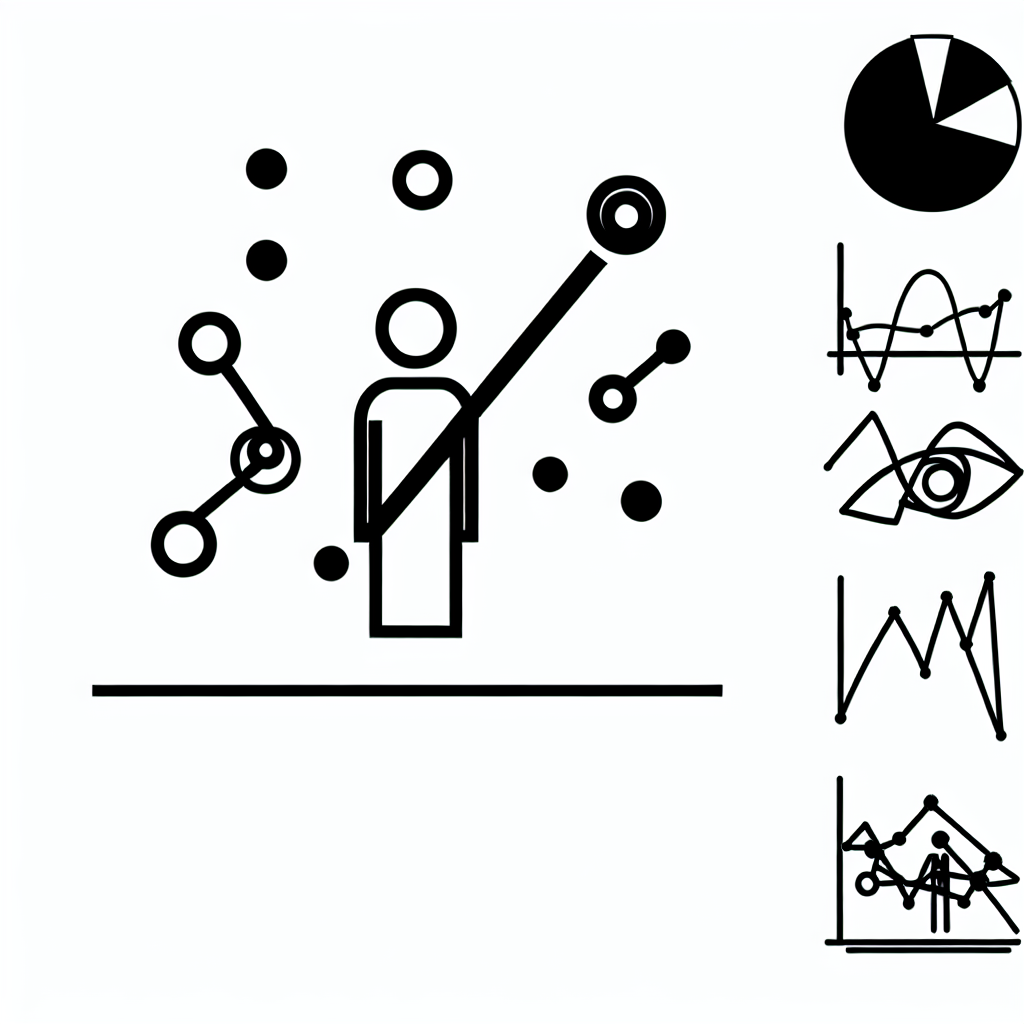
Incorporating visual elements also aids in storytelling; the way data is presented can significantly impact how it is perceived and understood. For example, a well-constructed dashboard can provide a snapshot of key metrics, enabling decision-makers to identify areas of concern or opportunity rapidly.
“Data visualization is not just about aesthetics; it’s a critical tool for interpreting and communicating insights.”
To maximize the effectiveness of visualizations, analysts should consider principles of design. Utilizing color schemes, layout, and labeling effectively can enhance clarity and engagement. Additionally, interactive elements within spreadsheets, such as slicers and filters, allow users to explore data dynamically, facilitating a deeper understanding of underlying trends.
Leveraging Machine Learning Techniques
As technology evolves, machine learning techniques are becoming increasingly accessible within spreadsheet environments. These advanced methods can automate analysis and uncover patterns that traditional techniques might overlook. For instance, algorithms such as clustering and classification can segment data into meaningful groups, providing fresh insights into customer behavior or operational efficiencies.
Implementing machine learning in spreadsheets often involves integrating external tools or using add-ons designed for this purpose. Users can leverage features like Google Sheets’ Explore function, which utilizes machine learning to suggest insights and visualizations based on the user’s data.

By harnessing these techniques, analysts can not only speed up their workflow but also enhance the depth of their analyses. The ability to perform predictive analytics and anomaly detection directly in spreadsheets represents a significant advancement in the capabilities available to data professionals.
Conclusion: Embracing Advanced Techniques
The landscape of data analysis is continually evolving, with advanced techniques enabling users to glean deeper insights from their data. From data modeling and statistical analysis to effective visualization and machine learning, the integration of these methods into spreadsheet workflows can significantly enhance analytical capabilities.
As organizations increasingly rely on data-driven decision-making, mastering these advanced techniques becomes essential. By embracing these methodologies, analysts can ensure that they are not only keeping pace with industry trends but also driving meaningful change through informed insights.